
transcribed for piano
Since the piano became a popular instrument, a large literature has sprung up of transcriptions from orchestral works to piano. These are often called piano reductions, and they are used for rehearsal purposes or for performance with only a piano. An orchestral piece can contain up to two dozen different musical parts, so they have to be reduced down to what a pianist can play, either single-handedly (often with no sustain pedal) or double-handedly as a duet.
Among the most famous orchestral pieces to be transcribed for piano are Leopold Stokowski’s orchestral versions of Bach keyboard works such as the Toccata and Fugue in D minor. This work was performed in the Disney film Fantasia, which meant that more people than ever before had the opportunity to hear this monumental Bach organ opus. Another famous piano version is Johann Pachelbel’s Canon in D, whose chord progression is heard in many modern pop songs and has made it a staple for weddings.
Liszt transcribed several Schubert song cycles and singular lieder for his piano transcriptions, which were designed to raise awareness of these beautiful melodies among amateur 19th century pianists who wanted to be able to reproduce their favorite works without having to hire a professional singer. His arrangements are also of interest to modern piano players as a stylistic example.
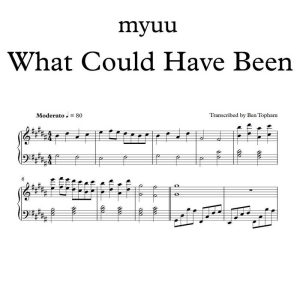
What are some popular pieces that have been transcribed for piano?
If you want to learn how to play a certain piece on piano but can’t quite reach it on your own, there are lots of online resources where you can listen to the original orchestral recording. This can help you figure out what the chords should be like, and how to phrase them. It’s also helpful to break the piece down into small chunks, and try to understand what’s happening at any one moment in time. This can make it easier to transcribe the part, and will also help you practice playing it on your own.
There are many different types of piano transcription software available, with options ranging from free and open-source solutions to more professional-grade software. Some of these programs are specialized for particular instrumentation or musical genres, while others feature advanced features such as AI and machine learning that can significantly improve the quality of transcriptions.
For a very easy and fun orchestral piece to learn, try George Gershwin’s Rhapsody in Blue. This iconic piano piece combines jazz, classical, and folk influences in a mesmerizing composition. It’s a good choice for a newbie to the orchestral world, and will give you an idea of what you can achieve with some patience and practice! If you have a harder time figuring out super complex chords, try listening to the recording again and “imagining” what each note might sound like. This can be a great way to “feel” what you’re trying to create, and can save you the frustration of over-thinking things. Good luck! And don’t forget to have fun! -Lindsey