
Modern organisations rely heavily on digital infrastructure, making cybersecurity a major operational priority. A network vulnerability assessment helps businesses discover weaknesses within their systems before cybercriminals can exploit them. The process reviews network components such as servers, routers, operating systems, and connected services to uncover security gaps that may lead to data breaches or downtime. Companies across industries use assessments to strengthen protection strategies, improve compliance efforts, and maintain business continuity in an increasingly connected environment.
Why Businesses Need a network vulnerability assessment
A network vulnerability assessment provides organisations with a clear understanding of their current security posture. Instead of attacking systems like a penetration test, the assessment focuses on identifying and ranking weaknesses through scanning technologies and expert verification. This structured method allows businesses to prioritise remediation tasks based on risk level. By understanding which vulnerabilities are critical, organisations can allocate resources efficiently and reduce the likelihood of successful cyberattacks targeting exposed systems or outdated configurations.
Identifying Weaknesses Before Attackers Do
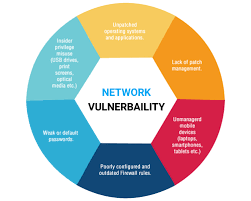
Cyber threats continue to evolve rapidly, and attackers often search for unpatched software, weak passwords, or poorly configured devices. A thorough assessment helps organisations detect these issues early. Security professionals evaluate firewalls, servers, applications, and network devices to determine where vulnerabilities exist. Manual analysis is also important because automated scanners may miss contextual risks. Early identification reduces the attack surface and gives IT teams the opportunity to fix problems before they become severe security incidents affecting customers or business operations.
Supporting Compliance and Security Standards
Many industries require businesses to follow cybersecurity regulations and data protection standards. Conducting a network vulnerability assessment assists organisations in meeting compliance obligations by demonstrating proactive risk management practices. Assessments help verify whether security controls are functioning correctly and whether systems align with industry frameworks. Regulatory requirements often expect businesses to perform periodic security reviews, especially when sensitive customer information is involved. Regular assessments also provide documented evidence that a company is actively working to maintain a secure network environment.
Improving Risk Prioritisation and Decision-Making
One of the most valuable purposes of a vulnerability assessment is prioritising security risks. Not all vulnerabilities carry the same level of danger. Some flaws may expose critical infrastructure, while others present minimal operational impact. Assessments classify vulnerabilities according to severity, exploitability, and business relevance. This ranking system allows organisations to address high-risk weaknesses first. Decision-makers gain practical insights into where investments are needed, helping security teams focus on actions that provide the strongest improvement to overall cyber resilience.
Enhancing Long-Term Cybersecurity Strategies
Cybersecurity is not a one-time effort but an ongoing process that requires continuous monitoring and improvement. A network vulnerability assessment contributes to long-term defence planning by revealing recurring weaknesses and operational trends. Businesses can use findings to improve patch management, employee security awareness, and infrastructure design. Assessments also support incident prevention strategies by highlighting vulnerable entry points commonly targeted by attackers. Companies seeking professional expertise often consult experienced providers such as swarmnetics.com for guidance on improving organisational security readiness.
The Difference Between Assessments and Penetration Testing
Although vulnerability assessments and penetration tests are closely related, their purposes are different. Assessments focus on identifying, categorising, and prioritising weaknesses without exploiting them. Penetration testing, however, simulates real-world attacks to determine how far an attacker could penetrate a system. Understanding this distinction helps businesses choose the right security approach for their objectives. Many organisations begin with assessments to establish baseline security visibility before moving toward advanced testing strategies conducted by qualified cybersecurity professionals with recognised industry certifications.
Building Confidence Through Proactive Security
A strong cybersecurity posture increases trust among customers, stakeholders, and business partners. Organisations that perform regular assessments demonstrate commitment to protecting sensitive information and operational systems. By proactively identifying security weaknesses, companies reduce financial risks associated with breaches, legal penalties, and service disruptions. Continuous improvement through routine assessments also helps organisations adapt to changing technologies and emerging cyber threats. In today’s digital landscape, maintaining visibility into network vulnerabilities is essential for sustaining secure and reliable business operations over the long term.