
know if I qualify for male boob reduction
Many men who feel self-conscious about excess chest tissue often wonder whether they are suitable candidates for male boob reduction. Determining if you qualify for the procedure involves evaluating physical symptoms, overall health, lifestyle habits, and personal expectations. While only a qualified plastic surgeon can provide a definitive answer, there are several general factors that help indicate whether male boob reduction may be right for you.
One of the primary reasons men consider male boob reduction is the presence of enlarged breast tissue that does not respond to diet or exercise. Some men develop excess chest fat due to weight gain, while others have firm glandular tissue caused by hormonal imbalances, genetics, or certain medications. If you have tried losing weight and building chest muscles but still notice persistent fullness or puffiness in the chest area, you may be a strong candidate for surgical treatment. True gynecomastia, which involves glandular tissue enlargement, typically cannot be corrected through exercise alone.
Good overall health is another important qualification factor for male boob reduction. Ideal candidates are generally in stable physical condition without uncontrolled chronic illnesses such as severe heart disease, uncontrolled diabetes, or bleeding disorders. Being in good health reduces the risk of surgical complications and promotes smoother healing. During a consultation, your surgeon will review your medical history, current medications, and any past surgeries to ensure that the procedure can be performed safely.
Age can also influence eligibility. Male boob reduction is commonly performed on adult men, but it may also be considered for teenagers in certain cases. For younger patients, surgeons often recommend waiting until puberty is complete and hormone levels have stabilized. In many adolescents, mild chest enlargement resolves naturally over time. However, if the condition persists for several years and causes emotional distress, surgery may be an option after careful evaluation.
Maintaining a stable weight is another key consideration. Candidates for male boob reduction should ideally be close to their target body weight. Significant weight fluctuations before or after surgery can affect results. If chest fullness is primarily due to excess fat and you are significantly overweight, your surgeon may advise weight loss before considering surgery. Achieving a stable weight helps ensure long-lasting and predictable results.
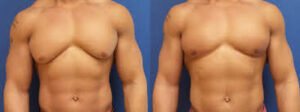
How do I know if I qualify for male boob reduction?
Emotional readiness and realistic expectations are equally important. Male boob reduction can dramatically improve chest contour, but it is not a substitute for a healthy lifestyle or a guarantee of perfection. Candidates should have clear, realistic goals and understand both the benefits and limitations of the procedure. A positive mindset and a commitment to following post-operative instructions contribute greatly to overall satisfaction.
Lifestyle habits such as smoking and substance use can also impact qualification. Smoking interferes with blood flow and can delay healing, increasing the risk of complications. Most surgeons require patients to stop smoking several weeks before and after male boob reduction. Additionally, individuals who use anabolic steroids or other substances that affect hormone levels may need to discontinue them, as these can contribute to chest enlargement and interfere with results.
Another factor to consider is whether the condition is causing physical or psychological discomfort. Some men experience tenderness or sensitivity in the chest area, while others feel embarrassed in social situations, avoiding activities like swimming or wearing fitted clothing. If excess chest tissue is negatively affecting your confidence or quality of life, male boob reduction may provide both physical and emotional relief.
Ultimately, the best way to know if you qualify for male boob reduction is to schedule a consultation with a board-certified plastic surgeon. During this appointment, the surgeon will examine your chest, discuss your concerns, and determine whether surgery is appropriate. They may also recommend additional tests if a hormonal imbalance is suspected. With professional guidance and honest communication, you can gain clarity about your candidacy and take an informed step toward achieving a flatter, more masculine chest.