
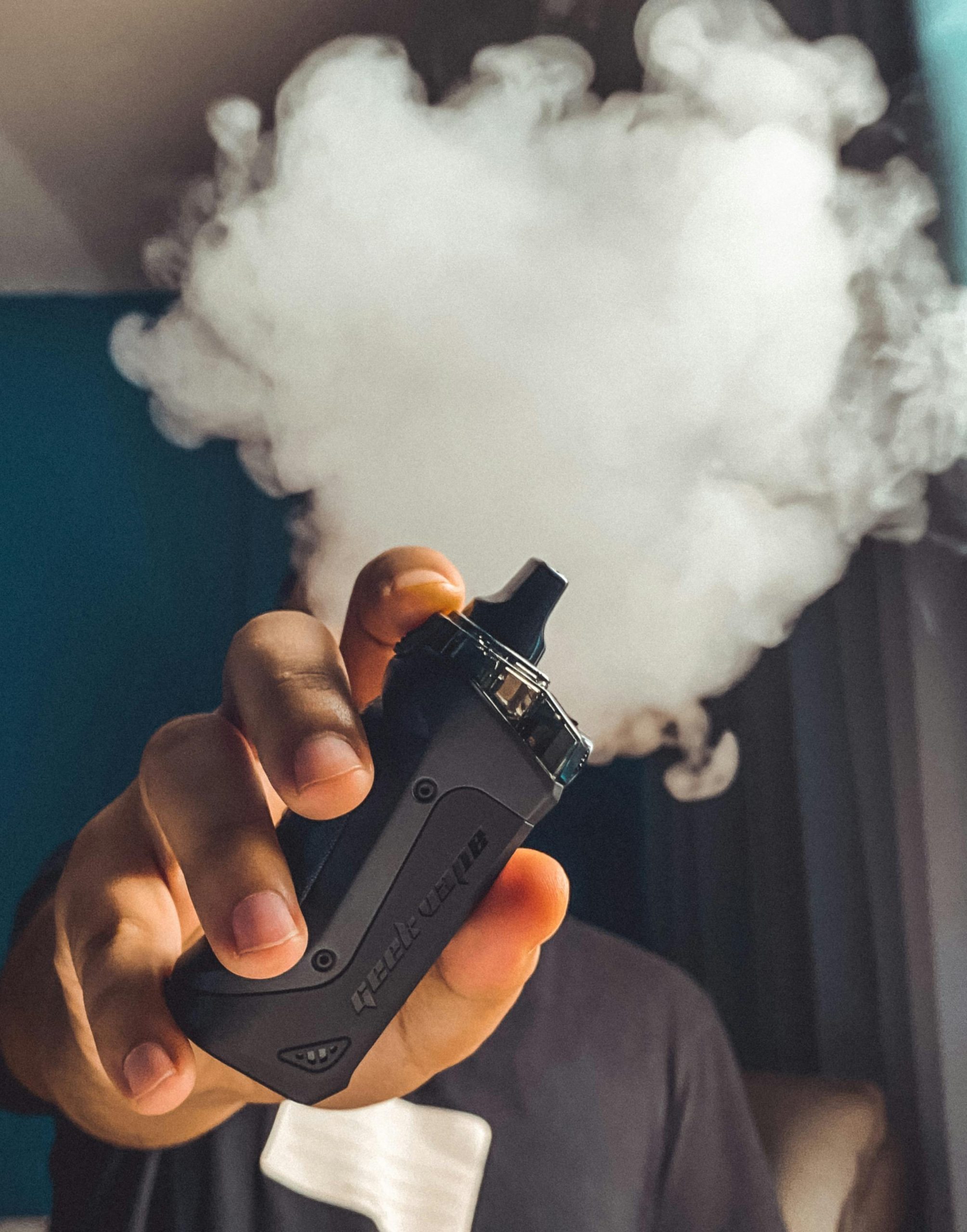
Walk into a convenience store today and you’ll see a rainbow wall of small, sleek devices promising thousands of puffs in flavors from “blue razz ice” to “peach mango.” Disposable vapes—single-use, prefilled e-cigarettes—have quickly become one of the most visible nicotine products on the market. They’re cheap up front, easy to use lost mary bm6000, and aggressively flavored. But is this boom just another fleeting fad, or a public-health and environmental headache in the making? The truth is more complicated than a simple trend piece or a moral panic. Disposable vapes are rising for understandable reasons—and they carry very real costs.
What makes disposables so popular?
First, disposables remove friction. Traditional vaping required a device, coils, bottles of e-liquid, and a basic comfort with tinkering. Disposables, by contrast, are charge-and-go. There’s no refilling, no maintenance, and no learning curve. That level of convenience mirrors what made pod systems successful, but disposables go further by bundling everything into a sealed stick that works out of the box. For many adult smokers curious about switching, that simplicity can be a compelling first step.
Second, flavors and form factor matter. Fruit, dessert, and mint profiles dominate the category and make the experience feel less like smoking and more like a lifestyle product. The design is compact and colorful, fitting easily into a pocket or bag elux vape liquid. The price point—often lower than reusable kits—lowers the psychological barrier to trying one. Social media completes the loop: unboxings, flavor rankings, and aesthetic photos give disposables the cultural gloss that turns products into trends.
The nicotine equation
A less discussed driver is nicotine chemistry. Many disposables use nicotine salts, a formulation that allows higher nicotine concentrations to be inhaled more smoothly than conventional free-base nicotine. For adult smokers, that can deliver a satisfying hit and reduce cravings, potentially making disposables a harm-reduction on-ramp compared with combustible cigarettes, which expose users to tar and thousands of toxic byproducts of combustion. But the same property—high, smooth nicotine—also increases the risk of dependence among new users. For teens and young adults, whose brains are still developing, nicotine can alter attention, learning, and impulse control. That’s where “trend or trouble” gets sharper edges.
Youth appeal and the marketing problem
Even where overt youth marketing is illegal, the aesthetics of disposables can function as de facto youth appeal: candy-like flavors, pastel packaging, and influencer-style branding blur the line between adult consumer good and teen accessory. Age-gates online are notoriously porous; brick-and-mortar enforcement varies. The result is widespread concern that disposables are seeding nicotine initiation among people who never would have smoked. Public-health advocates argue that while adult smokers might benefit from safer alternatives, the market design of disposables—cheap, sweet, easy—tilts the risk-benefit calculus toward net harm if youth uptake is high.
Environmental cost: a landfill of lithium
“Disposable” is not just a marketing term; it’s a waste stream. Each unit typically contains a lithium-ion cell, a circuit board, plastics, and nicotine-containing e-liquid residues. Most municipal recycling programs are not set up to dismantle and safely process these mixed materials, especially when contaminated with nicotine (a hazardous substance in concentrated form). Multiply a single stick by millions of users and you get a steady flow of batteries into landfills, potential leaching of heavy metals, and lost lithium that could have powered reusable electronics. For a generation that talks a lot about sustainability, this contradiction is striking: the convenience of disposables externalizes costs onto communities and the environment.
Harm reduction vs. harm displacement
Advocates for vaping often frame the issue as harm reduction: if an adult smoker switches from cigarettes to vaping, health risks drop substantially because combustion is the main villain. That argument carries weight, and some smokers do report success quitting cigarettes with the help of vapes. The trouble is that disposables can blur the lines between “substitute,” “supplement,” and “starter.” If a person who would otherwise be smoke-free takes up daily disposable vaping, we have not reduced harm; we’ve moved it. If a smoker becomes dual-use—vaping where smoking is banned and still smoking elsewhere—health gains shrink. The public-health question is not simply “Are disposables safer than cigarettes?” (often, yes) but “Do disposables reduce population-level harm?” (it depends on who uses them, how, and for how long).
Regulatory whiplash
Around the world, rules are in flux. Some jurisdictions have tightened flavor restrictions, age verification, or sales channels; others contemplate outright bans on disposables to cut waste and youth access. Enforcement, however, is the Achilles’ heel. A patchwork of policies can drive a gray market where unregistered or counterfeit devices proliferate. These products may skirt safety standards, use inconsistent nicotine levels, or contain contaminants. Meanwhile, well-intentioned bans can backfire if they push users toward unregulated devices or back to cigarettes. The most promising approaches blend rigorous age-verification, clear product standards, environmental take-back obligations, and credible enforcement—without erasing lower-risk options for adult smokers.
Industry’s pivot and incentives
Manufacturers, facing pressure on traditional cigarettes and seeking growth, have leaned into disposables because they’re profitable and fast to iterate. New flavors and formats hit shelves at a pace regulators struggle to match. Retailers like them because they turn over quickly and don’t require customer education. If we’re honest, “trend” is part of the strategy: limited-edition drops, collabs, and seasonal flavors keep attention and drive repeat purchase. None of that inherently makes disposables evil—but it does mean the incentives are aligned toward more units sold, not fewer, and certainly not toward durable, repairable devices or robust recycling.
What would a responsible path look like?
If disposables are here for now, the question becomes how to shape the market to reduce harm:
- Serious age controls: mandatory digital age-verification for online sales, retail sting operations, and real penalties for noncompliance.
- Flavor policy with nuance: allow adult-oriented flavors that help smokers switch while restricting kid-coded names and branding that mimic candy or energy drinks.
- Product standards: caps on nicotine concentration, accurate labeling, child-resistant designs, and limits on puff counts that encourage sustainable device formats.
- Environmental obligations: manufacturer-funded take-back and battery recycling, with deposit-style incentives to return used devices.
- Clear messaging: public campaigns that make two points simultaneously—vaping is not harmless, and for adult smokers, switching completely from cigarettes to regulated vaping can cut risk.
So… trend or trouble?
Both. Disposable vapes are a textbook case of technology meeting convenience and culture: they solve real user problems (simplicity, portability, immediate satisfaction) and therefore spread quickly. But the very features that fuel their rise—high nicotine delivery, sweet flavors, single-use design—create externalities: youth uptake, dependence risk, and mounting electronic waste. In other words, disposables are a successful product with problematic side effects.
The bottom line
If you’re an adult smoker trying to quit, evidence suggests that moving away from combustion reduces risk—but you’ll get the greatest benefit by switching completely and, ideally, transitioning to non-disposable, refillable devices or medically approved cessation tools over time. If you don’t smoke, especially if you’re young, starting with disposables is a bad bet for your brain, your wallet, and the planet. For policymakers and industry, the challenge is to preserve the harm-reduction potential for smokers while aggressively shrinking the harms that disposables export to everyone else. Whether this moment becomes a temporary trend or an enduring trouble will depend less on the devices themselves and more on the rules, norms, and incentives we build around them.