
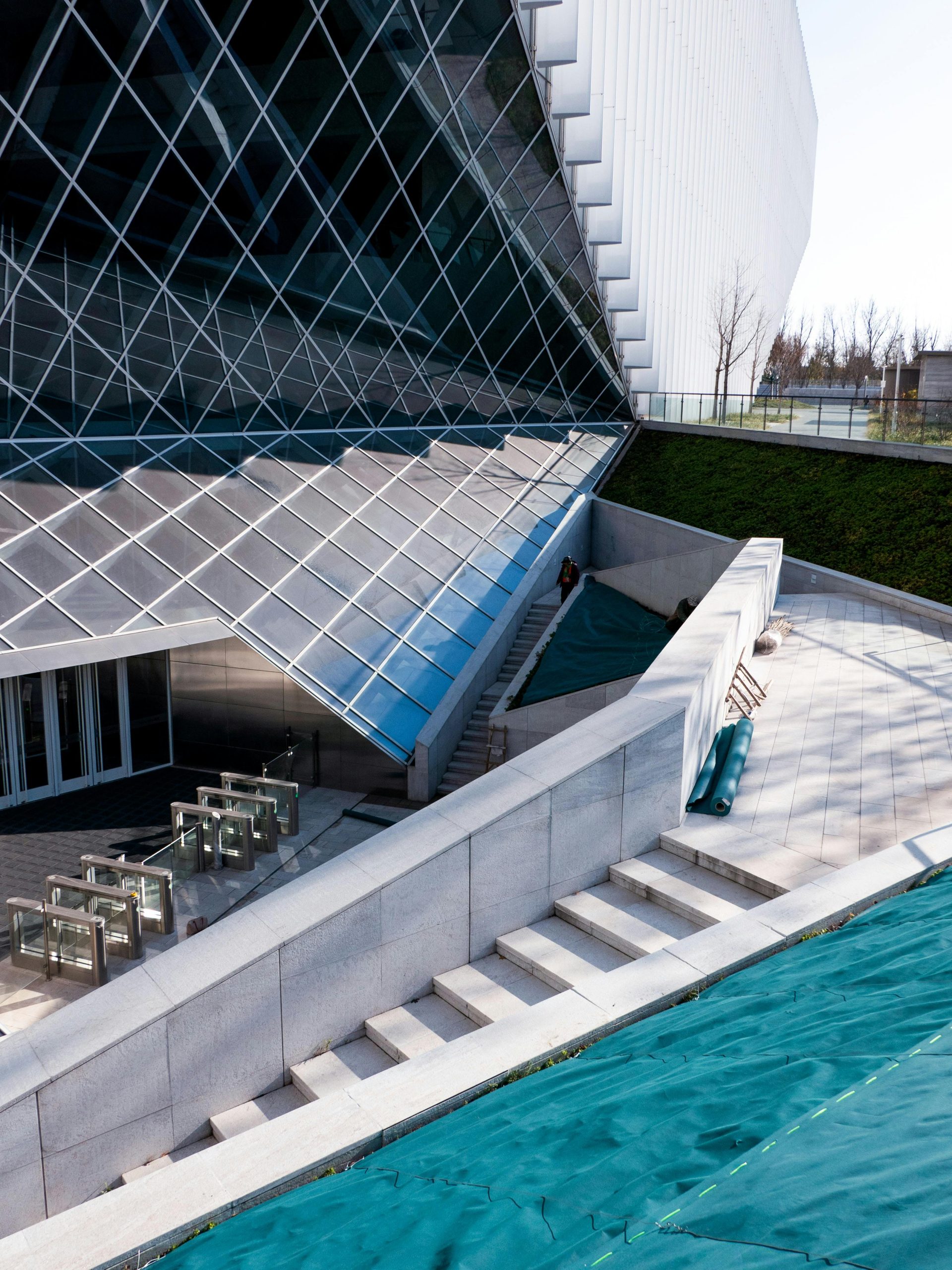
Architectural visualization has revolutionized the way architects, real estate developers, and urban planners communicate their ideas. Instead of relying on traditional blueprints and sketches, professionals can now present fully realized 3D environments that capture every detail of a design before construction even begins. The ability to create high-quality renders has become a critical aspect of the industry, helping clients and investors see exactly what a project will look like in the real world.
Creating these lifelike visualizations is no easy task. It requires expertise in 3D modeling, texturing, lighting, and rendering. The last step, rendering, is particularly demanding, as it involves complex calculations to simulate realistic lighting and materials. This process can take hours or even days on a standard workstation. To overcome these limitations, many architects and designers turn to Maya render farms, which provide the necessary computational power to produce high-resolution renders efficiently. Cloud-based rendering solutions have become an essential tool for professionals looking to enhance their workflow and deliver stunning visualizations on time.
The Power of Architectural Visualization
Architectural visualization serves as a bridge between imagination and reality. It allows designers to present their ideas with precision, making it easier for clients, investors, and contractors to understand the final vision. Whether it’s for a luxury apartment, a commercial complex, or an urban redevelopment project, 3D rendering enables stakeholders to explore spaces in a way that static drawings never could.
The quality of a render plays a crucial role in how a design is perceived. A highly detailed, well-lit visualization can make a project look sophisticated and desirable, while a poorly executed render can leave clients unimpressed. Real estate developers rely on these visuals to market properties before they are built, while interior designers use them to experiment with different materials and layouts. Urban planners benefit from 3D visualization by simulating how new developments will integrate into existing landscapes. The ability to convey depth, texture, and lighting accurately is what makes these visualizations so powerful.
The Role of 3D Artists in Architectural Visualization
The creation of a high-quality architectural render is a meticulous process that involves several key steps. First, the 3D artist must construct an accurate digital model of the space, ensuring that every detail from furniture to structural elements is correctly represented. Once the model is complete, textures are applied to give surfaces a realistic appearance. This step requires careful attention to texel density, ensuring that textures remain sharp and consistent across all elements in the scene.
Lighting plays an equally important role in making a render feel lifelike. The right lighting setup can dramatically alter the mood and realism of a visualization. Sunlight simulation helps showcase how natural light interacts with a space, while artificial lighting enhances the atmosphere of an interior design project. Advanced techniques, such as using Gobos to create intricate light patterns, can add further depth and realism to a scene. Realistic soft shadows, reflections, and ambient occlusion contribute to the sense of scale and physicality within the render. A well-lit architectural visualization does not just depict a space; it makes the viewer feel as though they are standing inside it.
Once all elements are in place, the rendering process begins. This stage requires substantial computational power, as the software calculates how light interacts with surfaces, how shadows form, and how materials behave under different conditions. The complexity of these calculations determines the final quality of the image. While a single render might take hours to complete on a standard machine, render farms allow 3D artists to distribute this workload across multiple high-performance servers, drastically reducing rendering times and improving efficiency.
How Maya Render Farms Enhance Architectural Visualization
Rendering large-scale architectural projects presents significant challenges. High-resolution textures, complex lighting setups, and large scenes with numerous assets demand an immense amount of processing power. When relying on a single workstation, these limitations can lead to long waiting times and slow project turnarounds. In an industry where deadlines are tight, rendering bottlenecks can become a major obstacle.
Maya render farms provide a solution by leveraging cloud-based computing to handle rendering tasks more efficiently. Instead of processing an image or animation on a single computer, the workload is distributed across multiple machines, allowing for much faster results. This means that an architect or designer can continue refining their work while the render farm handles the heavy lifting in the background. Cloud-based render farms eliminate the need for expensive in-house rendering hardware, making high-quality visualization more accessible to both small studios and large firms.
Incorporating cloud-based rendering into an architectural workflow is a seamless process. Many render farms offer direct integration with Maya, allowing users to upload their projects and let the farm handle the rendering remotely. This approach not only speeds up production but also ensures that large-scale renders can be completed without overloading a local machine. Many architectural firms have already embraced render farms to improve their efficiency, allowing them to deliver high-quality visuals for marketing, design approvals, and client presentations without long delays.
The Future of Architectural Visualization
Technological advancements continue to push the boundaries of what is possible in architectural visualization. Artificial intelligence is beginning to play a role in optimizing rendering workflows, with machine learning algorithms improving denoising techniques and reducing render times. Real-time rendering engines are making interactive architectural walkthroughs a reality, allowing clients to explore virtual spaces dynamically rather than relying on static images. Virtual reality and augmented reality are also becoming increasingly relevant, enabling designers and clients to step inside a digital model and experience a project in a fully immersive way.
Automation in rendering pipelines is another exciting development. Cloud-based render farms are evolving to offer smarter solutions, analyzing scene complexity and automatically optimizing rendering parameters to balance speed and quality. As these technologies continue to improve, the architectural visualization process will become more efficient, making high-quality rendering accessible to an even broader audience.
Conclusion
Architectural visualization has become an essential tool for architects, designers, and real estate professionals. The ability to create realistic 3D representations of projects before they are built enhances communication, accelerates decision-making, and makes designs more compelling. However, producing these high-quality visualizations requires significant computing power. This is why Maya render farms and cloud-based rendering solutions have become indispensable in the industry.
By leveraging the power of cloud rendering, designers can achieve faster turnaround times without sacrificing quality. Large-scale projects that would take days to render on a single machine can now be completed in a fraction of the time, allowing for more iterations and refinements. As technology continues to evolve, architectural visualization will only become more immersive and efficient. The future of architectural rendering is bright, and those who embrace these advancements will be well-positioned to create stunning, high-impact visuals that bring architectural designs to life.