
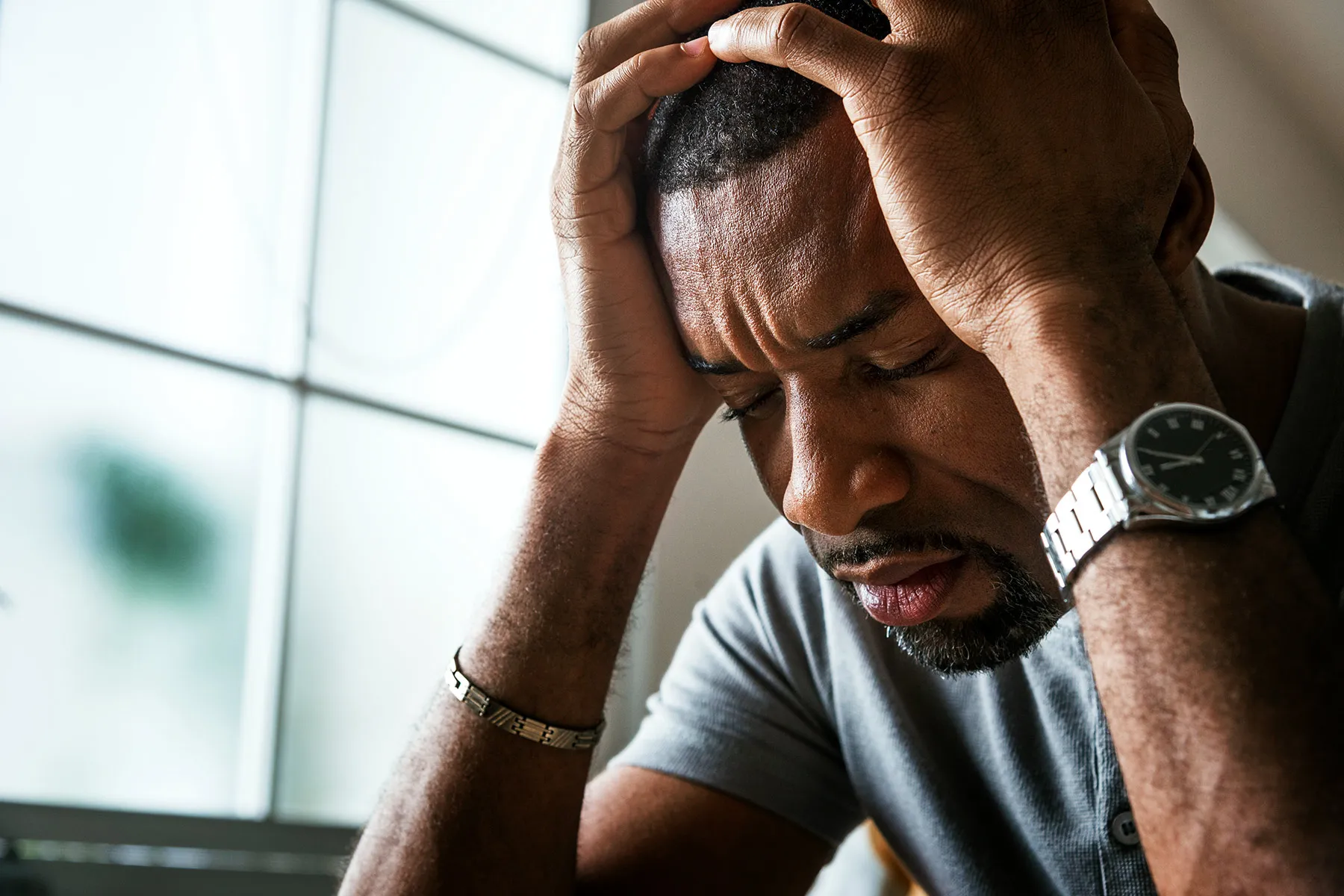
April 4, 2024 – Fatigue, headaches, stomach pain and a higher risk of heart disease. Although these things may not make you think of grief at first, many people who experience a significant loss have these and other physical symptoms.
People might expect the emotional and psychological one-two punch that grief can deliver. Anger, numbness, walking around on “autopilot” and/or feelings of depression after the death of a loved one or close friend are not surprising.
What might be “normal” for one person could be a sign of deeper trouble for another. So how do you know when it might be time to seek professional help?
“The answer for me is that after a period of time, if you’re still impaired in key social roles or you’re experiencing depression,” you should consult a professional, said Kenneth Doka, PhD, senior vice president of grief programs at the Hospice Foundation of America.
Grief tends to improve over time for many people. But if you are having physical symptoms of grief, make sure to prioritize sleep and rest, hydration, eating regular meals, getting physical activity, and drinking little or no alcohol and other mind-altering substances, Doka said.
The analogy of a roller coaster can help. Grappling with grief over time means going through multiple ups and downs. If the downs are not coming as often or they do not last as long, that’s a positive sign, said Doka, who is also a professor emeritus at the Graduate School of the College of New Rochelle in New York.
A reason to seek medical help for grief that does not get better, generally within 6 months for adults or 1 year for children and teenagers, is “there are good treatments available,” said M. Katherine Shear, MD, a professor of psychiatry and the founding director of the Center for Prolonged Grief at Columbia University School of Social Work in New York City.
“They’re simple, they’re short-term, and they work,” she said.
When Grief Doesn’t Get Better
The grief experience varies from person to person, so not everyone goes through the stages of grief the same way. Some people sleep too much or too little, eat more or less than usual, feel forgetful, or have a hard time concentrating, for example.
When grief does not get better over time, you might have prolonged grief disorder. When people have this, “grief is the conductor in charge of the orchestra. Grief is running your life, basically,” Shear said.
How the death happened also matters. “The more sudden and unexpected the death, including violent deaths like suicide, homicide, or a sudden accident,” the more serious grief can be. COVID-19 deaths fall into that category, Shear said.
People with prolonged grief might feel they’re living like a robot, going through the motions because they have to work or take care of family, Shear said.
“They never really get the person who died out of their mind. Maybe they have moments when they get distracted, but more or less the loss is still the main thing that is driving their mental functioning.”
Beyond the psychological meanings, death often has practical considerations. These can be “very profound,” Shear said. “You can lose the breadwinner of the family. Let’s say in a traditional family, then the woman is left to support the family. That contributes to the stress.”
“Every loss involves what we call secondary losses,” Doka said. For example, if someone loses a child, they are likely to lose connections with some of the parents they interacted with around the child.
And it doesn’t have to be loss of a person. Some people grieve after a job loss or death of a pet. “Any loss of someone or something that is important to us or that we care about is going to invoke a kind of a grief reaction,” Shear said.
Why Grief Gets Physical
“Most people understand that a significant loss will impact them emotionally. The physical symptoms of grief can catch people off guard,” said Liz Kelly, a licensed independent clinical social worker and a therapist in private practice in the Washington, DC, area. She wrote This Book Is Cheaper Than Therapy: A No-Nonsense Guide to Improving Your Mental Health.
Grief can cause inflammation in the body, which is linked to higher risks of digestive and heart disease issues. It can also raise your pulse rate for up to 6 months and can cause “broken heart syndrome” after the death of a spouse.
So why does grief lead to physical symptoms for some people? “The best explanation, honestly, is that your head and your brain are physical entities, and they’re connected with the rest of your body,” Shear said.
Doka cited a woman who had back pain after her husband died and another woman in the same situation who developed tremors. Grief also can hit the immune system, leaving a person at a higher risk of infections and illnesses.
“It’s because we’re whole people,” Doka said. The current research on grief points out that people can have emotional reactions from anger to relief, cognitive changes, and physical symptoms. “You know, grief affects the whole person.”