
)
Anyone who’s ever tried to swap a packet of chips for a bowl of salad knows the struggle, dieting isn’t always a joyful journey. And now, science says the emotional slump that often comes with it might be more than just a passing feeling.
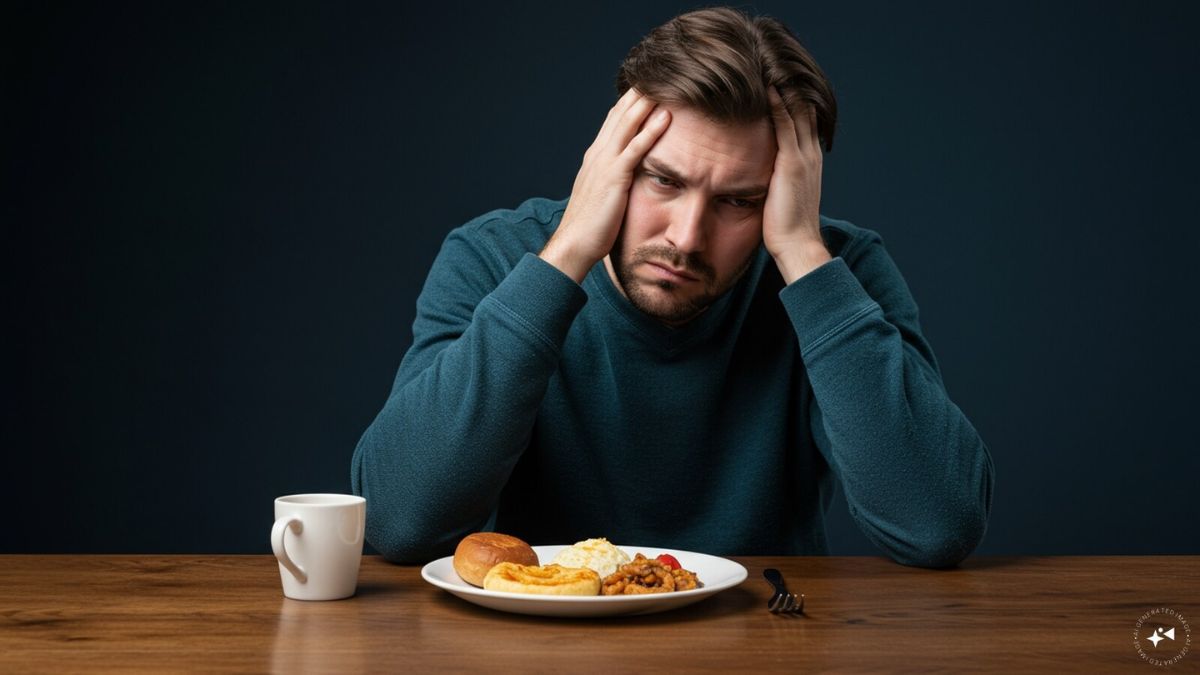
A new study published in BMJ Nutrition, Prevention & Health has found that calorie-cutting could actually make you feel worse, mentally. In fact, it’s linked to a higher risk of depression, particularly in men and people who are overweight.
But what’s behind this mood dip? And why might restricting food affect our mental well-being so strongly? We explain.
How eating less could hurt your mental health
A new study by researchers from the University of Toronto looked at health data from 28,528 adults in the US over a span of 10 years. Participants shared details about their eating patterns, whether they were dieting, and also underwent clinical assessments for depression.
Those who followed low-calorie diets were found to have higher scores for depressive symptoms, including feeling tired, struggling to concentrate, or experiencing “little interest or pleasure in doing things”.
According to the authors, this could be because restricting calories often leads to “nutritional deficiencies”, especially in key proteins and vitamins, which are crucial for brain function and mood regulation.
“Lack of weight loss or weight cycling while dieting in a real-world setting may lead to worsening depressive symptoms,” the researchers explained.
They added that the brain requires a steady stream of glucose for energy, along with enough omega-3 fatty acids to support its function. Without these nutrients, diets can “worsen brain function,” they said.
Calorie cutting hits men & obese people harder
The research also revealed something surprising: men seem to feel the psychological effects of dieting more than women.
While both genders experienced mood dips, men on any kind of diet, whether calorie-cutting or otherwise, tended to report worse mental health outcomes than women. Out of the total participants, 14,329 were women and 14,196 were men.
One possible explanation is that men have “greater nutritional needs” than women, so restricting food might impact them more. It’s also been suggested that men might simply find dieting tougher to stick with.
The study also found that low-calorie diets were more common among those who were overweight or obese, and this group also showed more signs of depression compared to people who weren’t dieting at all.
But weren’t we told that some low-calorie diets could actually help boost mood and reduce depression? So why is this study suggesting differently?
The difference, researchers say, lies in the setting.
Earlier studies were conducted in tightly controlled environments, where participants followed balanced, supervised diets. But real-world dieting tends to be less structured, more restrictive, and often lacking in essential nutrients—factors that can make mental health worse, not better.
Focus on eating healthy is key
The key takeaway? It’s not just about eating less, it’s about eating right.
Experts emphasise that nourishing your body with the right kind of food is essential for both physical and mental well-being.
“Numerous studies have consistently focused on ‘healthy’ versus ‘unhealthy’ diets,” the researchers said. “They have shown that ‘healthy’ diets rich in minimally processed foods, fresh fruits and vegetables, whole grains, nuts, seeds, lean proteins, and fish have been linked to a lower risk of depression.
“In contrast, an ‘unhealthy’ diet dominated by ultra-processed foods, refined carbohydrates, saturated fats, processed meats and sweets is associated with an increased risk of depressive symptoms,” they said.
But they also cautioned that this isn’t as simple as choosing one side or the other. “Therefore, individuals must adopt a perfectly healthy dietary pattern to reduce the risk of depressive symptoms. This dichotomy fails to capture the complexity of real-world eating habits,” they added.
With input from agencies