
Flex Circuits
A flex circuit is a circuit board that is made from a conductive layer on one side of a flexible dielectric film. A variety of metal foils can be used to create the conductive layer but copper serves the vast majority of flex circuit applications. The conductive layer may be printed or etched to form the circuit paths. A wide range of other materials can be used as the base layer for a flex circuit but the flexible substrate is typically made from polymer thick film (PTF). PTF can be either wrought or electrodeposited.
The most common industry where flex circuit are commonly used is the consumer electronics industry. Consumer electronic devices such as cameras, personal entertainment devices like headphones and speakers, calculators, and exercise monitors all contain flex circuit assemblies. The Internet of Things (IoT) is another segment where flex circuit assemblies are becoming increasingly popular. The IoT allows inter-device communication and remote control of appliances, electronics, and other devices through a smartphone app. Flex circuits are an essential component of IoT products.
Flex circuits are also used in the automotive sector. They can be found in vehicle electronics that enable safety features such as automatic locking systems and rearview cameras as well as other advanced functions. In addition, flex circuits are commonly used in the lighting systems of vehicles.
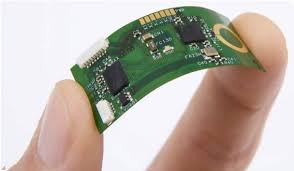
Flex Circuits – In Which Industries Are They Commonly Used?
Medical: The emergence of wearable technology and healthcare monitoring has resulted in the demand for flex circuits to be increased in the medical industry. Many of these devices require a lot of interconnections in a compact package, and flex circuit assembly is an ideal solution to this challenge. Flex circuits can also be found in health monitoring devices, scanners, and ultrasound equipment.
Aerospace and Defense: The weight and space savings of flex circuits are very attractive to aerospace and military equipment manufacturers. Moreover, the shock and vibration resistance of these circuits make them ideal for use in avionics and cockpit electronics, weapons, and sensors.
Flexible circuits are thinner and lighter than traditional rigid PCBs, allowing them to fit in smaller spaces while maintaining high performance. They are also able to withstand a much higher level of stress than rigid PCBs without a loss of functionality.
One of the key advantages of flex circuits lies in their ability to save space and weight compared to rigid PCBs. By eliminating the need for bulky connectors and cables, flex circuits enable more compact and lightweight designs, making them ideal for portable devices such as smartphones, tablets, and wearables. This miniaturization not only enhances the aesthetic appeal of electronic products but also contributes to improved portability and functionality.
Rigid flex circuits combine the best of rigid PCBs and flex circuits by using a combination of rigid layers with conductors, pins, stiffeners, and connectors. These circuits are used in products such as cell phones, tablets, and laptops that need both flex and rigid areas in their design. Due to their versatility and durability, they are an increasingly popular choice for a wide range of consumer and industrial products.