
Does Flooring Installation Require an Underlayment?
When planning a Flooring installation, homeowners often wonder whether an underlayment is truly required. The answer depends on the flooring material, the condition of the subfloor, and the performance you expect from your new surface. Companies like Homze, known throughout the Portland and Seattle metro areas for dependable home upgrades, emphasize evaluating these factors before beginning any project. Their approach—centered on durable materials, skillful craftsmanship, and stress-free service—reflects why proper preparation matters. As you explore your options, the guidance available through homze.com can help you make an informed decision.
What an Underlayment Does
Underlayment serves as a supportive layer placed between the subfloor and the finished flooring. In many Flooring installation projects, this layer enhances stability, improves comfort, reduces noise, and offers protection against moisture. While some materials include a built-in pad, others rely on a separate underlayment to deliver optimal performance. Because every home’s structure differs, determining the right underlayment type is essential for long-term results.
Flooring Types That Require an Underlayment
In most laminate Flooring installation jobs, underlayment is highly recommended. Laminate floors tend to be thin and benefit greatly from cushioning and sound absorption. Vinyl plank flooring may or may not need additional underlayment depending on the manufacturer’s design, but it often improves sound control and provides insulation. Engineered hardwood typically uses underlayment when installed as a floating floor, creating separation from the subfloor and providing moisture protection.
Tile installations differ slightly. While they do not use traditional underlayment, they require a cement board or similar product to prevent cracking and create a stable base. Each material has unique requirements, and understanding them helps ensure the surface performs well over time.
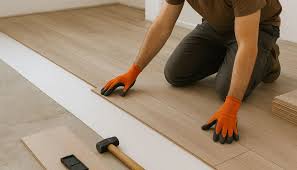
When Underlayment May Not Be Needed
Certain flooring options come with an attached pad. In these cases, adding extra layers may void warranties or cause the floor to feel unstable. Additionally, if your subfloor is already smooth, structurally sound, and level, your Flooring installation specialist might decide no additional underlayment is necessary. This is especially true for glue-down hardwood or some commercial-grade vinyl products.
However, skipping underlayment should only happen after evaluating moisture levels, acoustics, and the long-term wear the flooring will endure. Professional installers—like the teams known for excellent roofing, siding, painting, and flooring work across the region—can provide accurate assessments based on your home’s structure.
Benefits of Using Underlayment
For many homeowners, installing underlayment enhances everyday comfort. It softens each step, quiets movement, and adds thermal insulation. Moisture barriers also protect flooring from damage when installed over concrete. Because Flooring installation is an investment intended to last, these added benefits can significantly extend a floor’s lifespan.
Another advantage is improved indoor acoustics. Multi-level homes especially benefit from sound-reduction underlayment, creating a quieter living environment. Ensuring your new floors feel solid, quiet, and secure contributes to a more enjoyable experience overall.
Final Thoughts: Is It Required?
Whether an underlayment is required ultimately depends on your flooring choice and the condition of your existing surface. While some materials demand it, others only recommend it under certain circumstances. That’s why trusting an experienced installer matters. A knowledgeable professional evaluates each element—including the subfloor —to determine exactly what your project needs.
In most cases, underlayment enhances performance, comfort, and longevity, making it a wise inclusion for many Flooring installation projects. By consulting experts who prioritize precision and customer satisfaction, like those at Homze, you ensure a result that looks beautiful, performs well, and stands the test of time.