
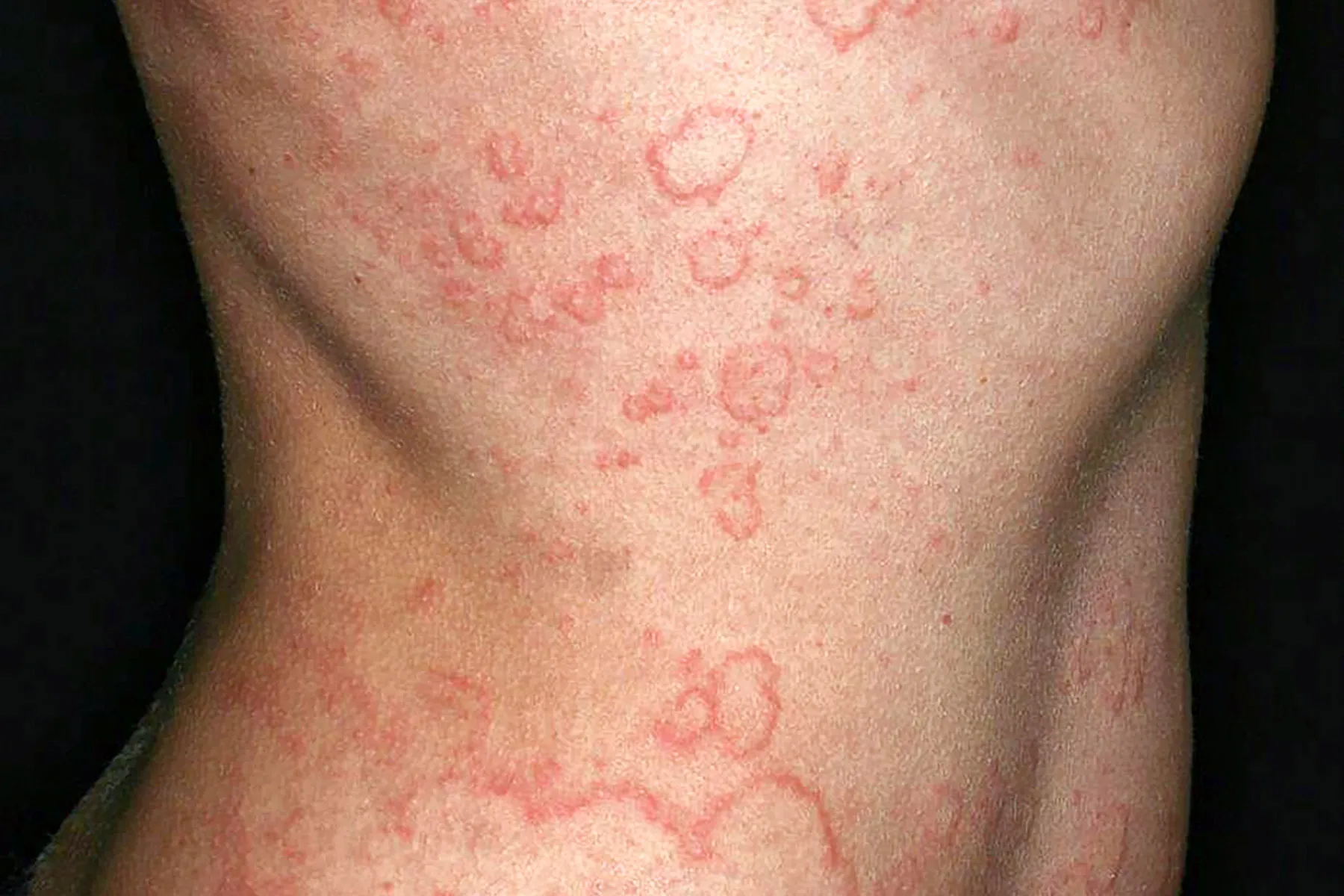
Chronic spontaneous urticaria (CSU) can make you feel itchy and uncomfortable. It causes hives that come and go unexpectedly. You probably wonder why you get them and what to do about them.
There’s no clear cause of chronic spontaneous urticaria, or chronic hives, but you and your doctor can manage it.
“When I diagnose a patient with CSU, the first thing I say is to be patient,” says Payel Gupta, MD, an asthma, allergy, and immunology expert in New York City. “It may take time, but we’ll find the right treatment protocol for you.”
What Does CSU Look and Feel Like?
Hives are raised, red, itchy bumps or welts on your skin. They may be big or small. The area could be warm to the touch.
CSU is also known as chronic idiopathic urticaria (CIU). It gives you hives that can show up anywhere on your body. You may notice that certain areas are more affected than others.
With CSU, hives typically last between 30 minutes and 24 hours. They may come and go. This cycle might happen often.
With severe or long-lasting CSU, you can have other symptoms like headache; fatigue; joint pain or swelling; sudden reddening of your face, neck, or upper chest; wheezing; stomach symptoms like diarrhea; or a rapid heartbeat.
“Sometimes with CSU, you may get angioedema, or swelling, with the hives,” Gupta says. “You may notice swelling in your lips, cheeks, around your eyes, arms, legs, or genitals.” You might also have numbness or tingling.
How Do You Know It’s CSU?
There’s no specific test to diagnose CSU. Your doctor will look at your symptoms and how long you’ve had them.
“If you have hives on most days of the week for 6 weeks or longer, you may have CSU,” Gupta says.
Who Gets CSU?
Anyone can have CSU. Women get it twice as often as men. It usually starts in your 20s, 30s, or 40s, but it can appear at any age.
CSU may be more likely if you have allergies, eczema, asthma, or food allergies.
What Causes CSU?
For up to 95% of people who have chronic hives, the condition is “idiopathic,” which is a medical term that means there’s no clear cause.
“It could be almost anything,” says Miami-based dermatologist Anna Chacon, MD. “Usually, there are certain environmental triggers that set it off.”
The condition is sometimes linked to another health condition like thyroid problems, liver problems, skin diseases, or sinusitis.
In about half of cases, the body’s immune system may be in overdrive, attacking healthy tissue.
People with CSU are more likely to have autoimmune disorders. “Conditions like thyroid disorders, celiac disease, Sjogren syndrome, lupus, rheumatoid arthritis, and type 1 diabetes are more prevalent in CSU patients than the general population,” Gupta says.
What Makes CSU Worse?
With CSU, certain things may trigger a flare-up or make hives worse.
Common ones include:
- Alcohol
- Cold
- Exercise
- Heat
- Hot showers
- Humidity
- Nonsteroidal anti-inflammatory drugs (NSAIDs) like aspirin and ibuprofen
- Rubbing or scratching your skin
- Spicy foods
- Tight clothing
Stress can also trigger CSU, Gupta says. “I’ve found that a lot of my patients come to me with symptoms after a stressful event in their lives.”
Physical pressure may lead to hives. For example, if you carry a heavy bag on your shoulder, you may develop hives there.
If you can spot your triggers, it may help you manage your symptoms. “On some occasions, avoiding triggers may prevent a flare-up,” Chacon says.
How Is CSU Treated?
The first step is to learn your triggers and avoid them when possible.
When hives pop up, you can try a non-drowsy oral antihistamine like cetirizine, fexofenadine, or loratadine. At night, you might use a sedating antihistamine like cyproheptadine, diphenhydramine, doxepin, or hydroxyzine.
“We often use high-dose oral antihistamines,” Gupta says. But for this to work, the medication needs to be strong enough, the dosage needs to be high enough, and you need to take it for a long enough period of time.
If those aren’t enough, your doctor may recommend a round of steroids followed by antihistamines.
Your doctor might also recommend other medications that have been found to help some people with CSU, like antacid pills, anti-inflammatory antibiotics, or biologics.
Is CSU Dangerous?
Hives themselves are not dangerous. But they can be frustrating, Gupta says. If they’re severe, they may affect your quality of life by interfering with work, school, or sleep.
It’s rare, but in some cases, CSU may be linked to a more serious condition or allergic reaction like anaphylaxis. Talk to your doctor to learn more.
Your doctor may want to test you for autoimmune diseases, especially if you have signs that something else might be going on.
Does CSU Ever Go Away?
There’s no cure for CSU. “But sometimes, it may go away on its own,” Chacon says.
In 30% to 50% of cases, the symptoms go away within a year of diagnosis. But you may have symptoms longer than 5 years. One to 5 years is the average.
When Should You See a Doctor About CSU?
“See your doctor if you’re uncomfortable and can’t get it under control,” Gupta says. “Waiting and letting it get worse may make it harder to get your hives under control.”
Take pictures of the hives to show your doctor if you don’t have them during your visit.
Patience is important. It can take time to manage the condition, but if you and your doctor work together, you can find a treatment plan that works.