
Getting a diagnosis of Pompe disease can be tricky. That’s partly because the disorder is so rare. It affects only about 1 in every 40,000 people in the United States.
“It’s really not on most pediatricians’ radar,” says Gerard Vockley, MD, PhD, chief of genetic and genomic medicine at UPMC Children’s Hospital of Pittsburgh.
Another reason is that some of the symptoms of Pompe disease, like muscle weakness and breathing problems, are also signs of other, more common conditions. The condition is different in everyone. And symptoms can show up at any age, from infancy to adulthood.
Advances in newborn screenings have made it easier to diagnose babies, including those with less severe forms of the disease. That means more babies are getting lifesaving treatment right away.
But some people with Pompe disease go on a diagnostic odyssey that takes years, says Christina Grant, MD, PhD, co-director of the Lysosomal Storage and Treatment Program at Children’s National Hospital in Washington, DC. Some research suggests
When a baby is born, they undergo a newborn screening panel using blood drawn with a heel stick. The conditions newborns are routinely screened for vary from state to state. According to Pompe Disease News, at least 20 states, including New York, Massachusetts, and California, now screen for Pompe disease.
Your pediatrician or the state’s screening program may contact you if your baby’s results were outside the normal range. That doesn’t necessarily mean your baby has the condition. There could be another reason, like the blood sample was too small. You’ll see a pediatric geneticist, who’ll do more blood tests to confirm whether your baby has the condition.
Before you give birth, it’s a good idea to check whether your state includes Pompe disease in its newborn screenings, says Vockley. If not, ask the hospital if they can do the test anyway.
“It’s an important diagnosis to have, because it’s one of the few conditions that can be diagnosed at birth where immediate treatment is available,” he says.
Even if your baby tests positive for Pompe disease, that doesn’t necessarily mean they have a severe form of the disease. “Some of these children won’t go on to develop symptoms much later in life, and some will be so mild they would never have been diagnosed otherwise,” Grant says.
If your baby tests positive in the newborn screening but doesn’t show signs of heart, muscle, or other organ damage, they may just need to be closely monitored, she says.
If you know Pompe disease runs in your family, you can get prenatal testing before your baby is born. Your doctor takes a sample of amniotic fluid (the liquid surrounding the baby in the womb) or the placenta (the organ that provides nutrients to an unborn baby) for genetic testing.
If your baby doesn’t get a Pompe disease test as part of their newborn screening, a diagnosis might come after you notice something’s not right.
Doctors might detect muscle weakness right away in a newborn with a severe case. “But other babies with mild to moderate symptoms can get overlooked by pediatricians, who take a more ‘watch and wait’ attitude when it comes to their muscle tone,” Vockley says.
These are red flags during the first year of a baby’s life:
- Failure to gain weight and grow
- Trouble feeding
- Poor muscle tone
- Breathing problems
- Large, protruding tongue
- Legs often rest in a “frog” position
- Frequent respiratory infections
- An enlarged liver
- Hearing problems
- Delayed motor skills, like rolling over and sitting
Late-onset Pompe disease tends to be milder. It can show up during childhood or in adults of any age. Warning signs include:
- Muscle weakness, especially around the torso, shoulders, and legs.
- Breathing problems
- Poor balance
- A curved spine
- Trouble chewing and swallowing.
- Drooping upper eyelids.
If you or your child has symptoms like these, your doctor will do a thorough exam and take a detailed health and family history. They’ll try to rule out other, more common, conditions.
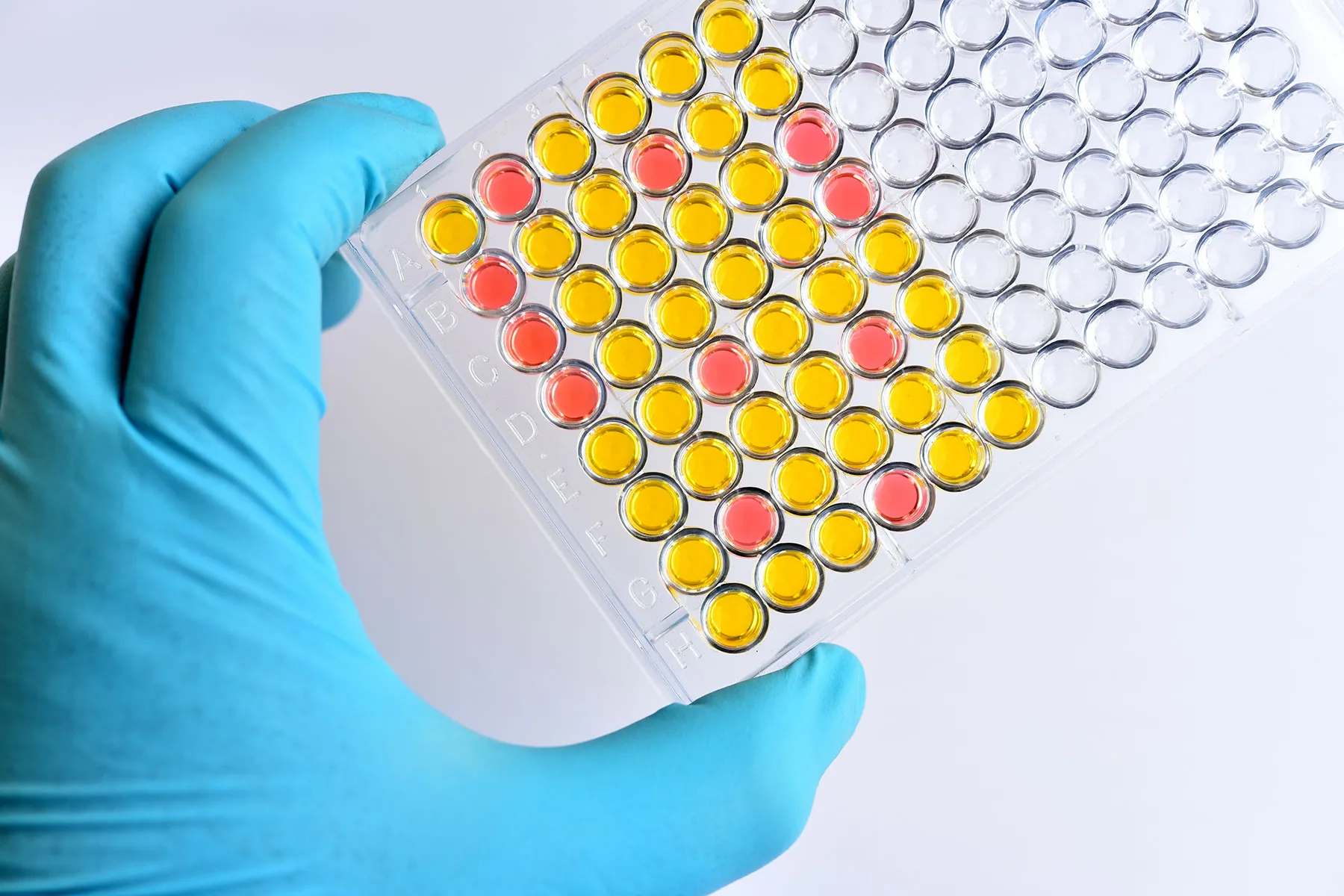
If your doctor suspects you or your child may have Pompe disease, they may do several types of tests. The most common one looks at the activity of an enzyme called acid alpha-glucosidase. This is the same test used for newborn screening. It can be done as a blood test or as a skin biopsy, in which a small sample of skin is taken for testing.
You or your child may also have genetic testing, which looks for mutations in the gene that controls this enzyme, to confirm the diagnosis. Genetic testing also identifies people who carry the disease, even if they never get it themselves. It’s done on a sample of blood or saliva.
Your doctor may also do other tests to see what problems Pompe disease may be causing. They could include:
Heart tests. This might include a chest X-ray to check the heart’s size, as well as echocardiography, or heart ultrasound, to look for thickening of the heart walls.
Breathing tests. These measure lung capacity, which Pompe disease can affect.
Muscle tests. This could include an electromyogram, which detects problems with muscle function, and an MRI to detect muscle damage.
Sleep studies. These look for breathing problems that happen during sleep.
Depending on test results and how serious the symptoms are, your doctor may recommend starting enzyme replacement therapy (ERT) right away. Pompe disease can affect many parts of your body. So treatment may also include care from a team of specialists, including:
- Metabolic specialists
- Neurologists
- Cardiologists
- Pulmonologists
- Orthopedists
- Physical, occupational, and speech therapists
Experts suspect that some people who test genetically positive for Pompe disease never show signs of illness.
“We’re now seeing women who were referred to us during their pregnancy who have never developed symptoms, but tested positive for the disease on carrier screening,” says Grant. “Although we confirm that they have the disease with genetic testing, they don’t have any of the abnormal blood or muscle tests associated with the disease.”
These women get blood tests every year to look for changes that would require them to start ERT, she says.
“It’s reassuring for both pediatric and adult patients to know this, so that they don’t feel that a diagnosis of Pompe disease is a death sentence,” says Grant.